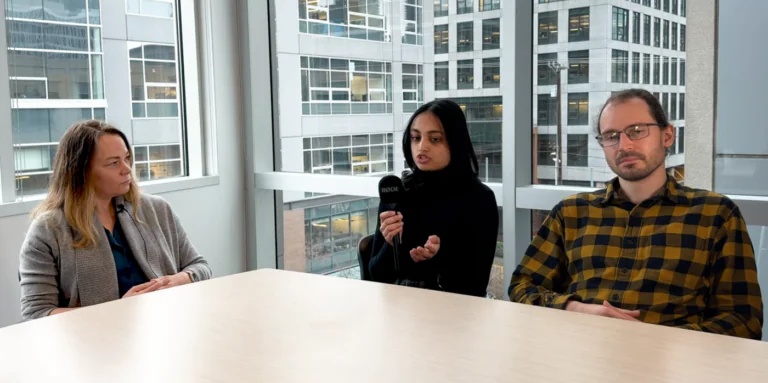
How gut bacteria survive viral attack
ISB researchers use single-cell sequencing to reveal hidden defenses against bacteriophages — and introduce a powerful new way to study phage-microbe interactions.
Filter
Sort
ISB researchers use single-cell sequencing to reveal hidden defenses against bacteriophages — and introduce a powerful new way to study phage-microbe interactions.
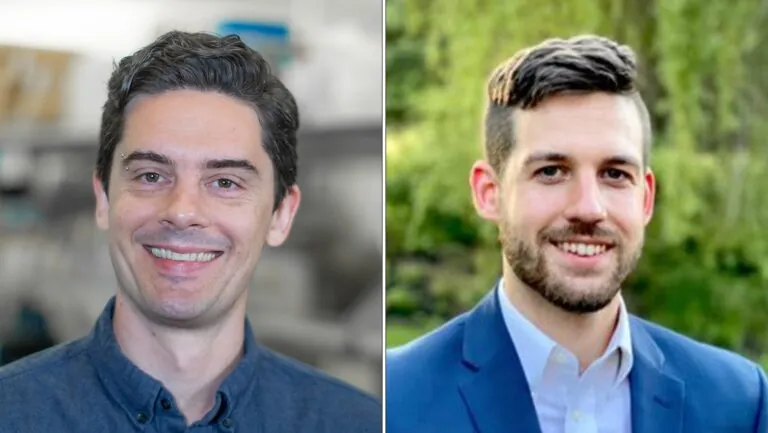
New research from ISB’s Gibbons Lab shows that computer models of gut metabolism can predict whether probiotics will successfully establish in an individual’s microbiome and how dietary prebiotics shape health-related molecules in the gut. The findings point toward a future of more personalized, predictable microbiome-based interventions.
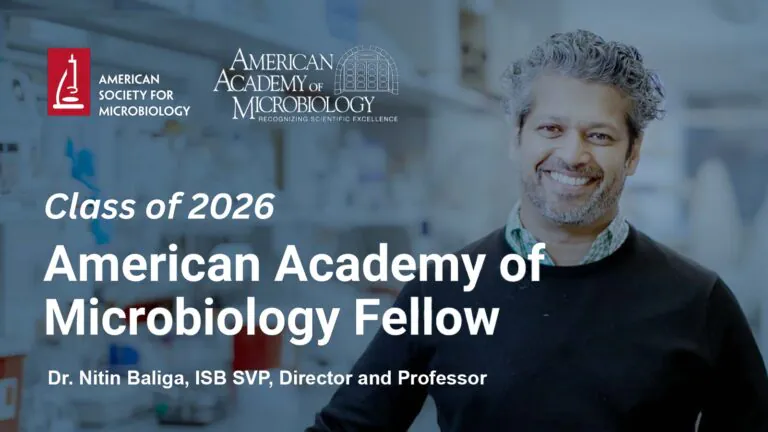
ISB Professor Dr. Nitin Baliga has been elected to the American Academy of Microbiology as part of the 2026 Fellowship Class — a highly selective honor recognizing exceptional scientific achievement and leadership in the microbial sciences. Baliga joins 62 peers from 14 countries selected through a rigorous peer-review process.
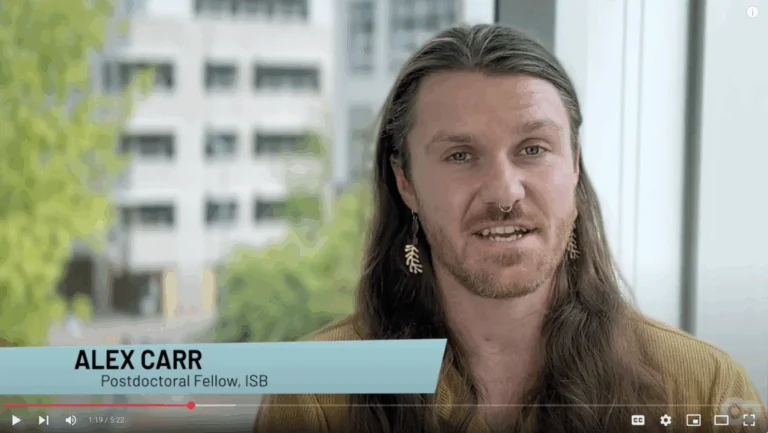
Postdoctoral fellows are the lifeblood of research institutions, yet their contributions are often underrecognized. At the Institute for Systems Biology (ISB), postdocs enter the scientific workforce with passion, vision, and advanced training – bringing the fresh ideas that fuel discovery.
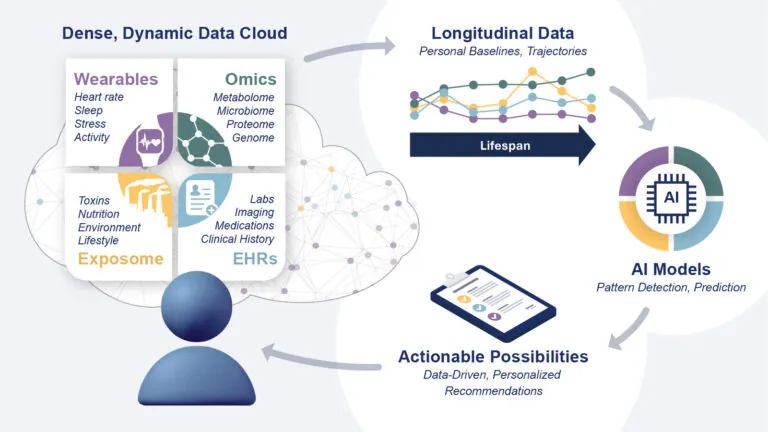
Researchers at the Institute for Systems Biology argue that combining systems biology, longitudinal multiomics data, and artificial intelligence could transform healthcare from reactive treatment to proactive prevention, enabling scientists and clinicians to detect early molecular signs of disease and intervene before symptoms appear.
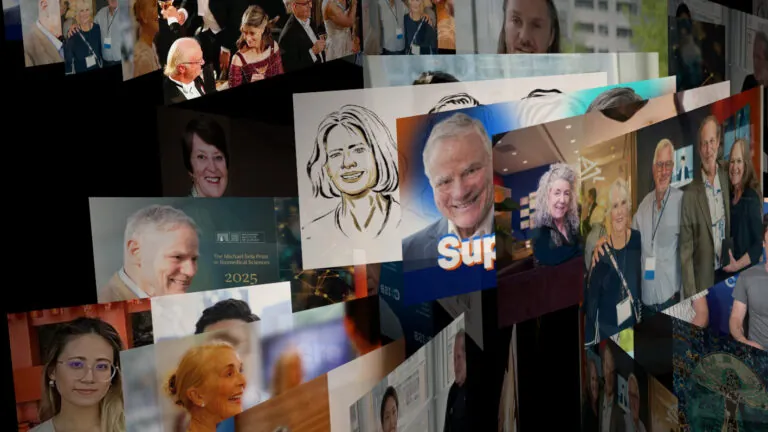
From Nobel recognition and scientific firsts to transformative collaborations and community impact, 2025 marked one of the most significant years in ISB’s 25-year history.