Eric Topol and Lee Hood — Two Scientific Luminaries on Longevity and Prevention
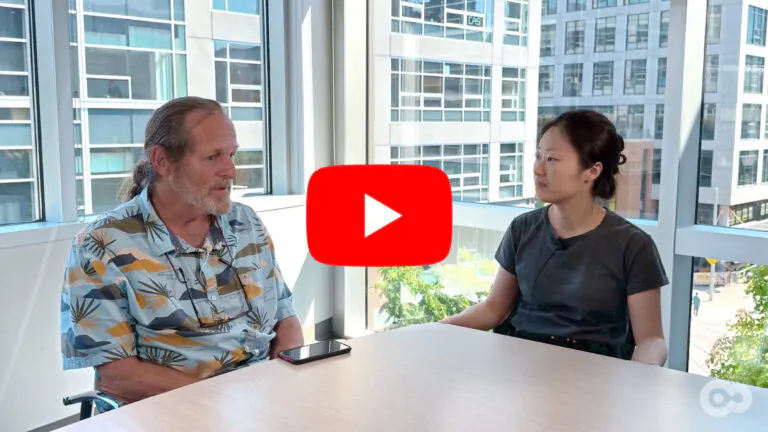
Discussing Super Agers, Drs. Eric Topol and Lee Hood connected breakthroughs in genomics, AI, and lifestyle science to the pursuit of longer, healthier lives.
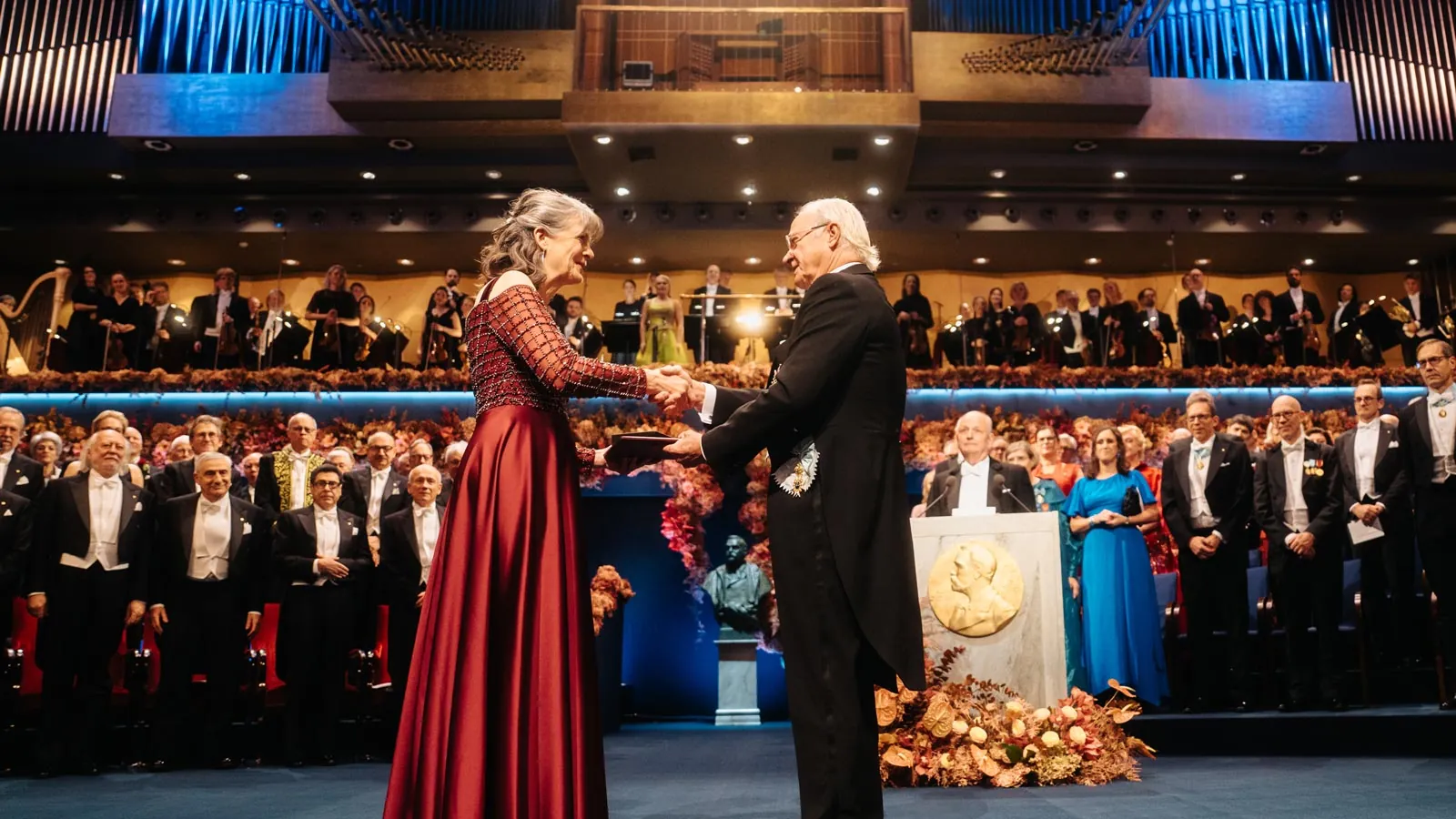
Nobel Laureate Dr. Mary Brunkow, pictured on October 7, 2025. (Photo by Alex Garland for ISB)
ISB’s Dr. Mary Brunkow has been awarded the 2025 Nobel Prize in Physiology or Medicine for transformative discoveries in immune tolerance, alongside Drs. Fred Ramsdell and Shimon Sakaguchi. Join us in celebrating this milestone for science and human health.
Cancer is complex and requires a sophisticated systems approach to understand and treat it. ISB researchers are pursuing several complex and cross-disciplinary means to better create more personalized therapeutics and simulate which treatments will be most effective.
Each of us has a microbiome — trillions of microorganisms that reside in and on our bodies. ISB researchers study the microbiome’s role in human health and translate this knowledge into approaches designed to promote better health for every individual.
Our infectious disease research addresses a wide range of global health initiatives. We are exploring new approaches that focus on cutting-edge treatments and preventive measures to fight infectious diseases.
Read the latest news of our transformational research, devoted scientists and educators, recent and upcoming events, and much more.
Discussing Super Agers, Drs. Eric Topol and Lee Hood connected breakthroughs in genomics, AI, and lifestyle science to the pursuit of longer, healthier lives.
The pioneering work of Mary Brunkow and Fred Ramsdell began with a mysterious mutant mouse known as “scurfy,” leading them to identify the FOXP3 gene and unlock how regulatory T cells prevent autoimmune disease — discoveries that now point to new treatments in cancer and autoimmunity.
The prize recognizes foundational discoveries about regulatory T cells and the FOXP3 gene that redefined immune tolerance and opened avenues to treat autoimmune disease, enable transplantation, and advance immuno-oncology. ISB celebrates Dr. Brunkow’s leadership and collaborative science.
A purple ribbon, the color for gynecologic cancers, composed with diverse faces illustrated by Stacey Knipe.
The Women’s Health Consortium, led by ISB President Dr. Jim Heath, is taking a collaborative approach to engineered T cell immunotherapy to benefit all women with advanced HPV+ cancers. Your support will help us bring innovative therapies to patients in need.
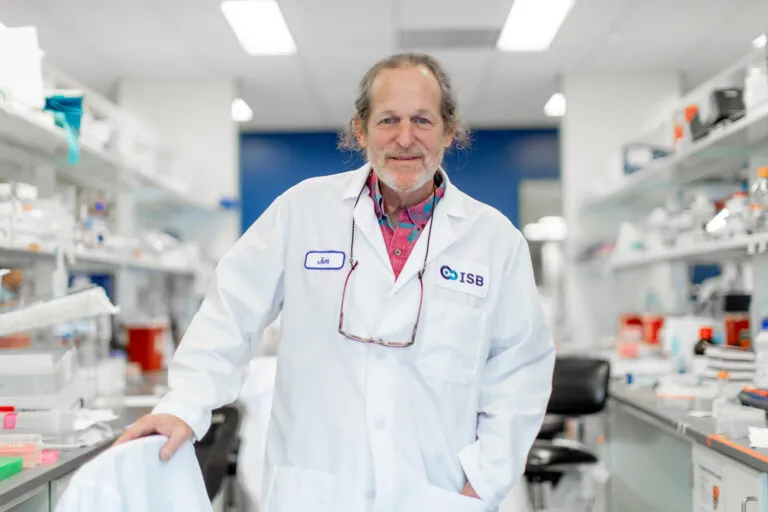
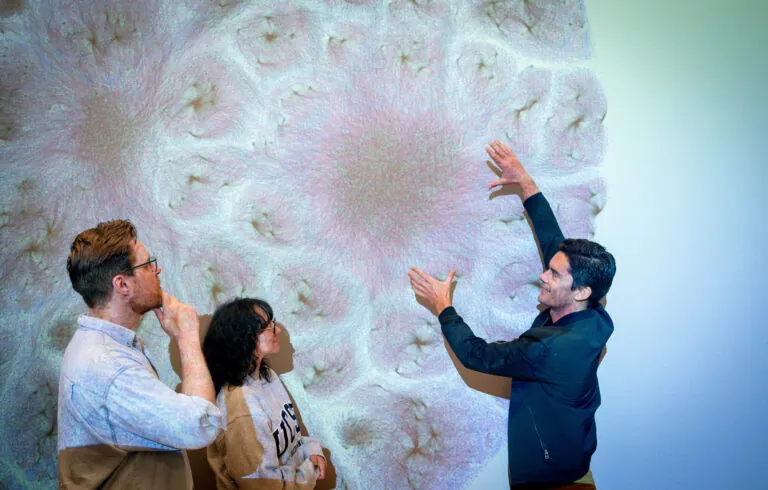
President and Professor Jim Heath is dedicated to advancing precision medicine from benchtop to bedside, particularly in oncology. His research addresses fundamental scientific bottlenecks that can unlock solutions to broader challenges.
Associate Professor Sean Gibbons develops experimental and computational approaches to dissect and engineer the functional outputs of the human gut microbiome to advance personalized medicine.
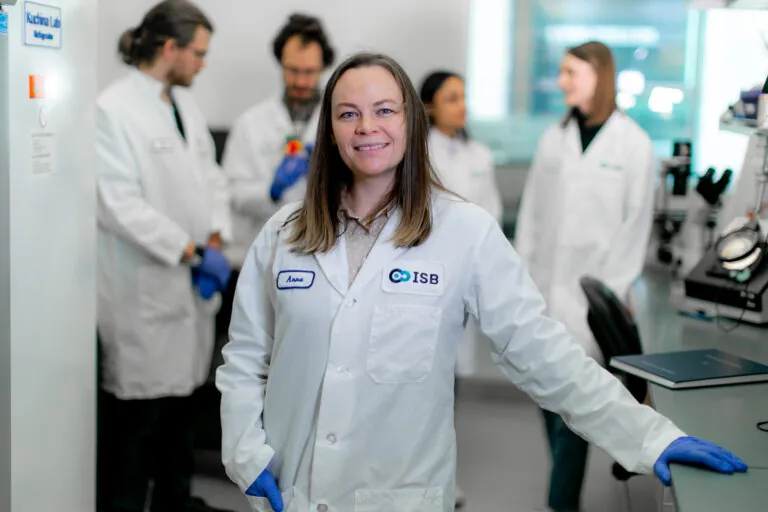
Assistant Professor Anna Kuchina studies bacteria at the single-cell level, using advanced technologies to understand how bacteria behave in complex settings such as biofilms living in the human body.
The Institute for Systems Biology (ISB) is a nonprofit scientific research organization located in Seattle. We believe that science has the power to transform health. You have an opportunity to play an essential role in the future of human health. When you get involved, you enable our researchers to tackle some of the biggest challenges of our time. Together we can build a better, brighter, healthier future.