Lost Women of Science’s Katie Hafner Joins Mary Brunkow for Conversation on Recognition, Mentorship, and Opportunity
Katie Hafner, a renowned New York Times journalist and author, spoke with Nobel laureate Mary Brunkow about overlooked women scientists, the power of mentorship, and the work still needed to create opportunities for future generations of women in STEM.
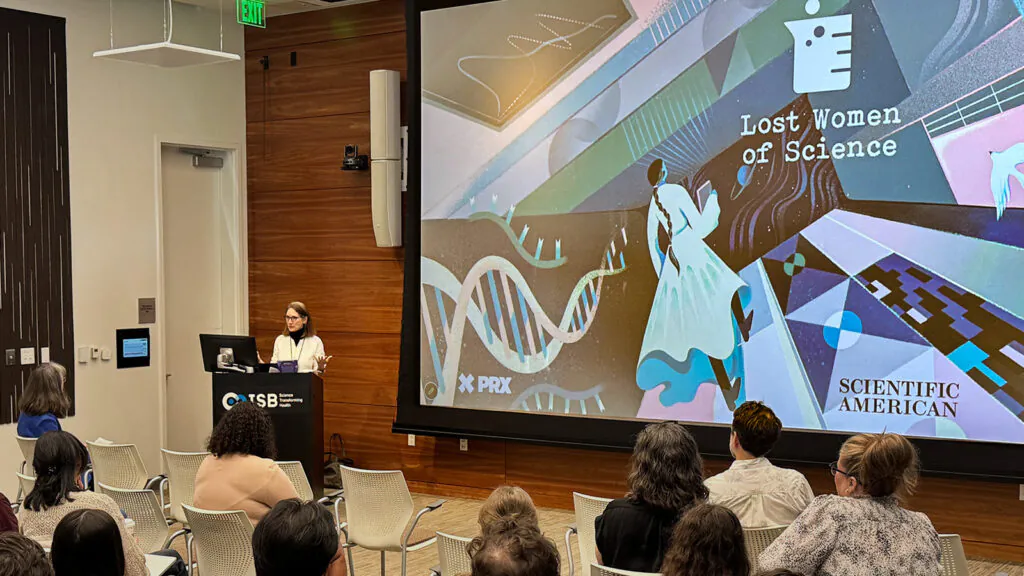
Journalist, author, and Lost Women of Science co-founder Katie Hafner visited the Institute for Systems Biology (ISB) on June 11, 2026, for a special presentation and conversation with Nobel laureate Mary Brunkow, exploring the stories of women scientists whose contributions have too often been overlooked.
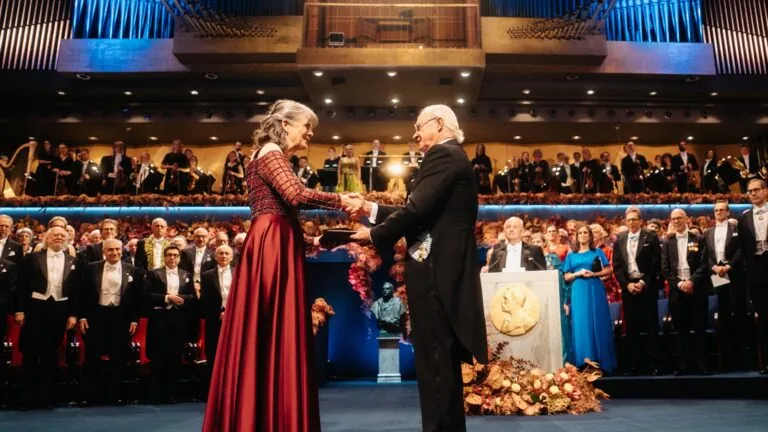
Hosted at ISB and streamed online, the event followed the previous evening’s An Evening of Laurels celebration honoring Brunkow’s Nobel Prize achievement. Hafner shared the origins and mission of the Lost Women of Science initiative, a nonprofit organization dedicated to uncovering and amplifying the stories of women whose scientific contributions have been forgotten, minimized, or attributed to others.
Founded six years ago, Lost Women of Science has documented the lives and work of women scientists across disciplines ranging from physics and chemistry to medicine, mathematics, and engineering. Through podcasts, educational programs, books, classroom resources, and historical research, the organization seeks to ensure these scientists receive the recognition they deserve.
Unearthing Untold Stories
Hafner highlighted several women featured by the initiative, including cystic fibrosis pioneer Dorothy Andersen, physicist Lise Meitner, early computer programmer Klari von Neumann, and Katharine Burr Blodgett, a physicist and chemist whose innovations in non-reflective glass transformed modern optics.
“We truly believe that for every Rosalind Franklin or Marie Curie whose story has been told, there are many more whose stories remain untold,” Hafner said.
The conversation also explored the qualities shared by many of the women featured in Lost Women of Science. According to Hafner, a deep sense of curiosity often united scientists who pursued their work despite significant barriers.
“There is a profound curiosity,” Hafner said. “Every single one of these women not only possessed that curiosity, but pursued it — often in very difficult circumstances.”
‘We Still Have Work To Do’
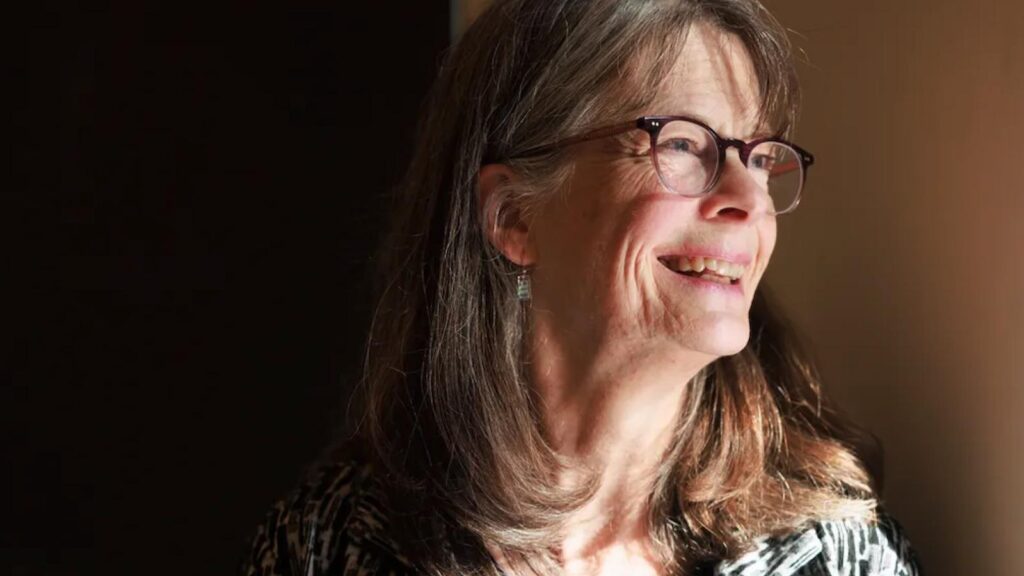
Brunkow reflected on the changes she has seen during her own scientific career. While opportunities for women in science have expanded considerably over the past several decades, she noted that challenges remain, particularly as scientists advance into leadership positions.
“Things are better than they were for the women Katie is talking about,” Brunkow said. “But we still need to pay attention to what happens as people progress in their careers.”
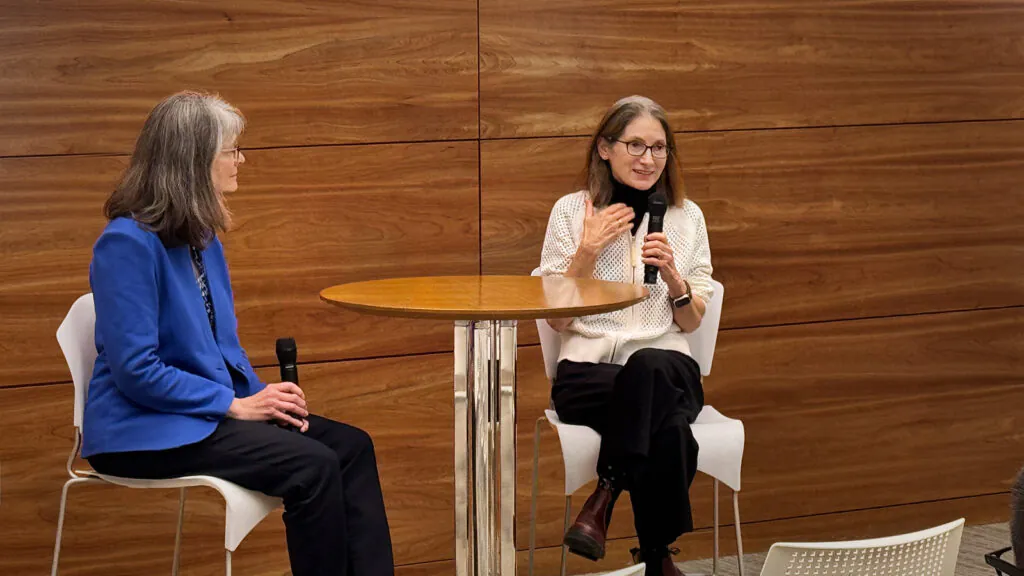
Throughout the discussion, both Hafner and Brunkow emphasized the importance of mentorship, visibility, and sustained support for future generations of scientists.
Looking ahead, Hafner said she hopes Lost Women of Science will continue building awareness of women’s contributions to scientific discovery through storytelling, education, and partnerships with organizations around the world.
“We still have work to do,” Brunkow said. “But there has been progress, and we need more.”
Supporting the Next Generation
Throughout the discussion, Hafner and Brunkow returned repeatedly to the importance of visibility, mentorship, and sustained support for women in science. Those themes also helped inspire the creation of the Mary E. Brunkow Fund, announced during An Evening of Laurels the previous evening.
Recent funding uncertainty and instability are disproportionately affecting many early-career scientists, including women navigating pivotal stages of their careers. The Mary E. Brunkow Fund was created to provide funding, mentorship, and opportunities for collaboration.