Skip to content
  • Who We Are
    • About Us
      • Nobel Prize
      • ISB Today
      • What is Systems Biology?
      • Our History
      • Contact ISB
    • People
      • Leadership
      • Board of Directors
      • Director Emeritus
      • Faculty
      • Education Directors
      • Principal Scientists
      • Senior Research Scientists
      • Affiliate Faculty
      • Scientific Advisory Board
    • Labs
      • All Labs
    • Careers
      • Work At ISB
      • Faculty Development
      • Postdoctoral Fellowships
      • Grad Student Opportunities
      • Internships
  • What We Do
    • Research Areas
      • All Research Areas
      • Cancer
      • Health
      • Infectious Disease
      • Chronic Illness
      • Environment
    • Education and Training
      • Education Initiatives
      • Educator Resources
      • Student Programs
      • Courses and Symposia
    • Published Research
      • Publications
    • Open Source Software
      • Software and Downloads
    • Services
      • Olink® Services
      • Proteomics Services
  • News and Events
    • News
      • ISB News
    • Newsletter
      • Subscribe
    • Events
      • Upcoming Events
      • Events Archive
    • Media
      • Media Coverage
      • Press Releases
      • Media Inquiries
    • Social Media
      • LinkedIn
      • Bluesky
      • X
      • Instagram
      • Facebook
      • YouTube
  • Ways To Give
    • Ways To Give
      • How You Can Help
    • Giving Priority Areas
      • The Mary E. Brunkow Fund
      • My Digital Gut
      • STEM Education
      • HPV+ Cancer
      • Postdoctoral Fellowship Fund
    • Team
      • Meet Us
    • Donate Now
      • Donate →
Donate
clear

Featured News

Posted: June 23, 2026

Education Events People
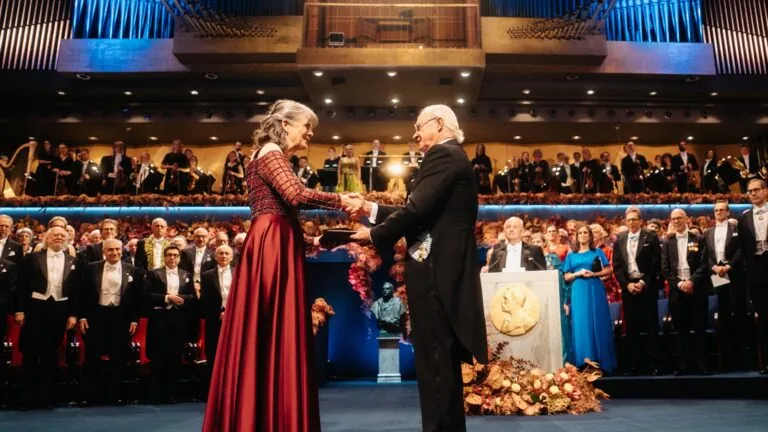
An Evening of Laurels Celebrates Nobel Laureate Mary Brunkow and the Future of Women in Science

An Evening of Laurels Celebrates Nobel Laureate Mary Brunkow and the Future of Women in Science

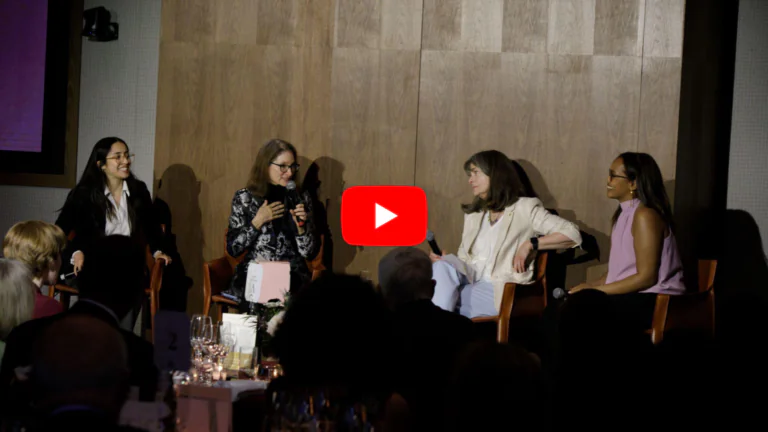
More than 160 civic leaders, scientists, philanthropists, and educators gathered in Seattle to honor a Nobel Prize achievement, launch the Mary E. Brunkow Fund, and highlight the importance of mentorship, STEM education, and scientific opportunity.
An Evening of Laurels Celebrates Nobel Laureate Mary Brunkow and the Future of Women in Science
A photograph depicting a woman in a sparkling ballgown shaking hands with a man in a tuxedo on a stage with standing dignitaries behind them.

Posted: December 16, 2025

People Press Release Hood Lab
ISB’s Dr. Mary Brunkow Wins 2025 Nobel Prize in Physiology or Medicine

ISB’s Dr. Mary Brunkow Wins 2025 Nobel Prize in Physiology or Medicine

The prize recognizes foundational discoveries about regulatory T cells and the FOXP3 gene that redefined immune tolerance and opened avenues to treat autoimmune disease, enable transplantation, and advance immuno-oncology. ISB celebrates Dr. Brunkow’s leadership and collaborative science.

ISB’s Dr. Mary Brunkow Wins 2025 Nobel Prize in Physiology or Medicine

More News (Moritz Lab)

 
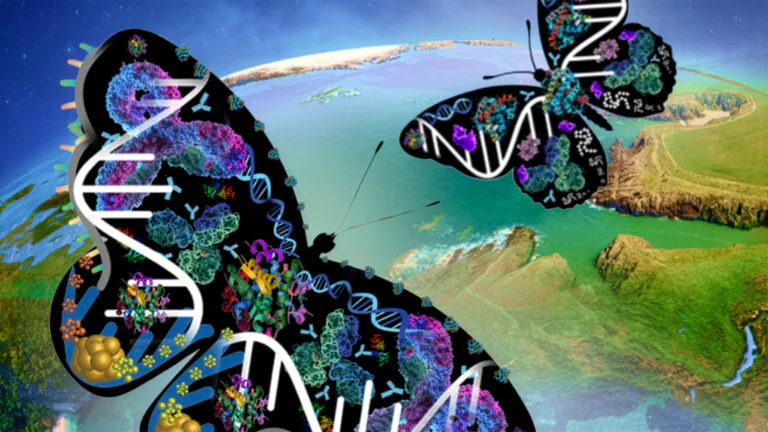
An illustration of digitally-created butterflies consisting of proteins and DNA helixes flying far above a stylized coastline.

Posted: May 14, 2026

Health Press Release Gibbons Lab
Global Multiomics Study Reveals How Geography and Ethnicity Shape Human Biology

Global Multiomics Study Reveals How Geography and Ethnicity Shape Human Biology

An international team of researchers, including scientists from the Institute for Systems Biology, has conducted one of the most comprehensive molecular studies of human diversity to date. Published in Cell, the work reveals how ethnicity and geography influence metabolism, immunity, the microbiome, and biological aging — insights that could help advance precision medicine for diverse populations.

Global Multiomics Study Reveals How Geography and Ethnicity Shape Human Biology
Abstract Illustration of a Stylized Protein

Posted: May 6, 2026

Press Release Moritz Lab Proteins and Disease
Scientists Uncover 1,700+ Protein-like Molecules in the ‘Dark Proteome’

Scientists Uncover 1,700+ Protein-like Molecules in the ‘Dark Proteome’

ISB researchers help reveal a previously hidden layer of the human proteome, identifying a new class of protein-like molecules known as “peptideins” with potential implications for cancer, immunotherapy, and human disease.

Scientists Uncover 1,700+ Protein-like Molecules in the ‘Dark Proteome’
TRANSLATOR NIH banner

Posted: July 24, 2025

Health Press Release Hood Lab
New Tool Unlocks Biomedical Discovery with Launch of Biomedical Data Translator

New Tool Unlocks Biomedical Discovery with Launch of Biomedical Data Translator

The Biomedical Data Translator is now publicly available, offering a powerful open-source platform that integrates diverse biomedical datasets. Designed to accelerate discovery and patient care, Translator helps users explore complex data and uncover actionable insights with ease.

New Tool Unlocks Biomedical Discovery with Launch of Biomedical Data Translator
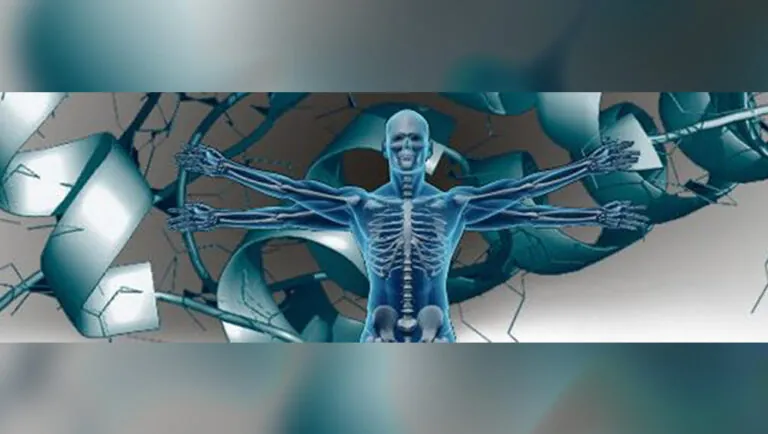
Human proteome blueprint

Posted: October 19, 2020

Chronic Illness Press Release Moritz Lab
High‑Stringency Human Proteome Blueprint Released

High‑Stringency Human Proteome Blueprint Released

Like the draft “shotgun” Human Genome Project of the Human Genome Organization (HUGO), the HPP has now reached a significant decadal milestone of more than 90 percent completion of the Human Proteome that is referred to as the human proteome “parts list.”

High‑Stringency Human Proteome Blueprint Released
mosquito

Posted: October 31, 2019

Infectious Disease Moritz Lab Malaria
Malaria Researchers’ Findings May Have Implications for Preventing Spread of Deadly Disease

Malaria Researchers’ Findings May Have Implications for Preventing Spread of Deadly Disease

ISB researchers and their collaborators are using systems biology approaches to learn how the malaria parasite is able to transfer to humans via the bite of an infected mosquito. The information they have uncovered may help identify new ways to prevent people from contracting the deadly disease.

Malaria Researchers’ Findings May Have Implications for Preventing Spread of Deadly Disease
Ötzi1

Posted: July 13, 2018

Press Release Moritz Lab
‘Ötzi’ the Iceman’s last meal consisted of fat, wild meat, cereals

‘Ötzi’ the Iceman’s last meal consisted of fat, wild meat, cereals

Members of the Moritz lab, as part of an international consortium centered in Bolzano Italy, reports this week in Cell, “Current Biology”, a multi-omic approach to identify the stomach contents and microbiome of the 5300 year old Mummy, Oetzi, the Iceman from the Oetzal Alps on the Austrian/Italian border.

‘Ötzi’ the Iceman’s last meal consisted of fat, wild meat, cereals
View All News

  • Who We Are
    • Work At ISB
    • People
  • What We Do
    • Research
    • Publications
  • News and Events
    • Media Inquiries
    • News
  • Services
    • Olink Services
    • Proteomics Services
  • Other
    • Sponsored Projects Resources
    • COI
ISB logo (1-color)
Donate Contact Us

Subscribe to Molecular Me, where we share news of our transformational research, devoted scientists and educators, upcoming events, and more.

© 2026 Institute for Systems Biology (ISB). All Rights Reserved
  • Login
  • Intranet
  • Purchase Terms
  • Terms of Service
  • Privacy Policy
Web Design by T-F