ISB Named Winner of 2025 Amazon Web Services Imagine Grant for Nonprofits
ISB has won a 2025 AWS Imagine Grant to advance Tarpon, a generative AI platform that generates digital fingerprints of T cell receptors. By linking immune signatures to genomic and clinical data, Tarpon enables rapid discovery and the design of targeted therapies.
The Institute for Systems Biology (ISB) has been selected as a winner of the 2025 Amazon Web Services (AWS) Imagine Grant, a public grant opportunity open to registered charities in the United Kingdom, Ireland, Australia, New Zealand, United States, and Canada and registered 501(c) nonprofit organizations in the United States who are using technology to solve the world’s most pressing challenges.
The grant will support ISB’s efforts to launch Tarpon, a powerful generative AI platform designed to understand and create human T cell receptors — the immune system’s targeting tools. Tarpon distills each receptor into a compact digital fingerprint and does so for millions of T cell receptors. By connecting this analysis to genomic data or electronic health records, Tarpon allows researchers to spot subtle patterns that associate with immune dysfunction and design entirely new T cells for use as highly targeted therapeutics for challenging diseases.
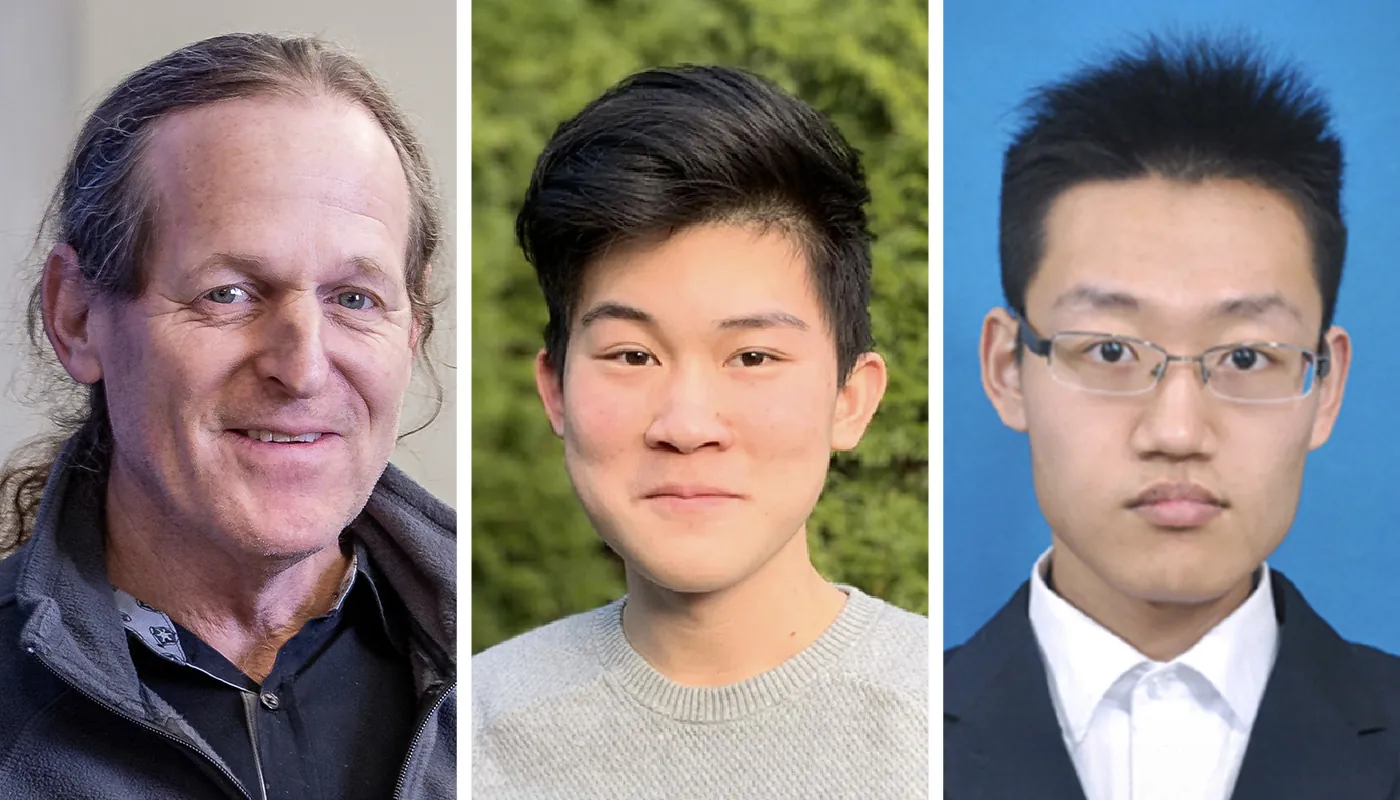
“Tarpon lets us move from observing the immune system to extracting the rule sets that govern its behavior, to even designing it,” said ISB President and Professor Dr. Jim Heath, who, along with his student Daniel Chen and collaborator Dr. Yapeng Su, developed the platform. “Already Tarpon is telling us what experiments to do next, and it is helping us identify patients with dysfunctional immune systems that we would have previously missed.”
ISB was named a winner in the Pathfinder — Generative AI category, which recognizes highly innovative, mission-critical projects that leverage generative AI. ISB will receive up to $200,000 in unrestricted funding, up to $100,000 in AWS Credits, and implementation support from the AWS Generative AI Innovation Center. Awardees were selected based on several factors, including the innovative and unique nature of the project, impact on mission-critical goals, and clearly defined outcomes and milestones.
“At AWS, we’re continually amazed by the nonprofit sector’s innovative spirit and dedication to creating positive change in our communities and around the globe,” said Rick Buettner, Managing Director of Global Nonprofits at AWS. “Through the Imagine Grant program, we’re seeing organizations embrace cloud technology in ways that fundamentally reshape how they deliver on their missions. From scaling their impact to reaching underserved communities, these nonprofits are showing us what’s possible when vision meets innovation. We’re proud to support their transformative work and help them build solutions that will benefit communities for years to come.”
Tarpon will use Amazon SageMaker as its core engine for training the AI models, managing their versions, and making them available to researchers through a secure web app. Once a model is trained and deployed, researchers anywhere can use it in real time — generating brand-new receptor designs at the click of a button.
“This platform will serve as a foundation for future discoveries in cancer, infectious disease, autoimmune disorders, and beyond,” Heath said, “turning the once-impossible task of mapping and engineering immune diversity into a practical, data-driven reality.”
About the Institute for Systems Biology (ISB)
The Institute for Systems Biology (ISB) is a non-profit biomedical research organization in Seattle that pioneers the integration of biology, computation, and technology to improve human health. Learn more at isbscience.org.