Skip to content
  • Who We Are
    • About Us
      • Nobel Prize
      • ISB Today
      • What is Systems Biology?
      • Our History
      • Contact ISB
    • People
      • Leadership
      • Board of Directors
      • Director Emeritus
      • Faculty
      • Education Directors
      • Principal Scientists
      • Senior Research Scientists
      • Affiliate Faculty
      • Scientific Advisory Board
    • Labs
      • All Labs
    • Careers
      • Work At ISB
      • Faculty Development
      • Postdoctoral Fellowships
      • Grad Student Opportunities
      • Internships
  • What We Do
    • Research Areas
      • All Research Areas
      • Cancer
      • Health
      • Infectious Disease
      • Chronic Illness
      • Environment
    • Education and Training
      • Education Initiatives
      • Educator Resources
      • Student Programs
      • Courses and Symposia
    • Published Research
      • Publications
    • Open Source Software
      • Software and Downloads
    • Services
      • Olink® Services
      • Proteomics Services
  • News and Events
    • News
      • ISB News
    • Newsletter
      • Subscribe
    • Events
      • Upcoming Events
      • Events Archive
    • Media
      • Media Coverage
      • Press Releases
      • Media Inquiries
    • Social Media
      • LinkedIn
      • Bluesky
      • X
      • Instagram
      • Facebook
      • YouTube
  • Ways To Give
    • Ways To Give
      • How You Can Help
    • Giving Priority Areas
      • My Digital Gut
      • STEM Education
      • HPV+ Cancer
      • Postdoctoral Fellowship Fund
    • Team
      • Meet Us
    • Donate Now
      • Donate →
Donate
clear

Featured News

A photograph depicting a woman in a sparkling ballgown shaking hands with a man in a tuxedo on a stage with standing dignitaries behind them.

Posted: December 16, 2025

People Press Release Hood Lab
ISB’s Dr. Mary Brunkow Wins 2025 Nobel Prize in Physiology or Medicine

ISB’s Dr. Mary Brunkow Wins 2025 Nobel Prize in Physiology or Medicine

The prize recognizes foundational discoveries about regulatory T cells and the FOXP3 gene that redefined immune tolerance and opened avenues to treat autoimmune disease, enable transplantation, and advance immuno-oncology. ISB celebrates Dr. Brunkow’s leadership and collaborative science.
ISB’s Dr. Mary Brunkow Wins 2025 Nobel Prize in Physiology or Medicine
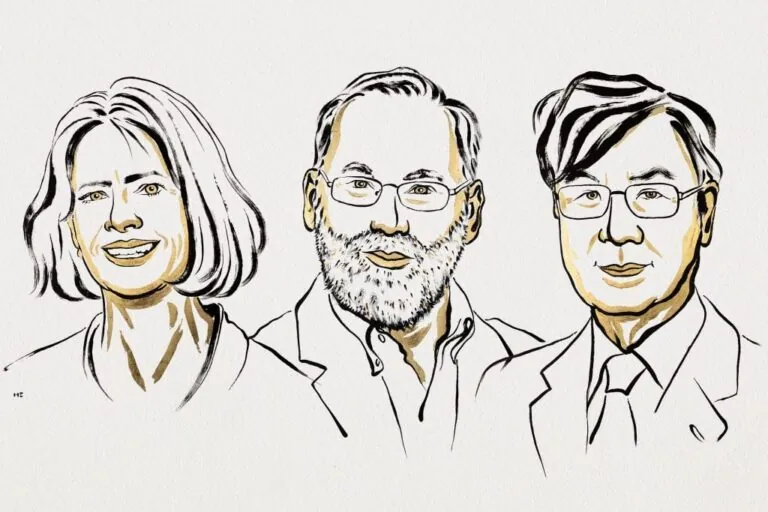
Illustration of Drs. Mary Brunkow, Fred Ramsdell, and Shimon Sakaguchi, recipients of the 2025 Nobel Prize in Physiology or Medicine.

Posted: October 23, 2025

Cancer People Press Release
The Science Behind the Nobel Prize

The Science Behind the Nobel Prize

The pioneering work of Mary Brunkow and Fred Ramsdell began with a mysterious mutant mouse known as “scurfy,” leading them to identify the FOXP3 gene and unlock how regulatory T cells prevent autoimmune disease — discoveries that now point to new treatments in cancer and autoimmunity.

The Science Behind the Nobel Prize

More News (Optimizing Outcomes)

 
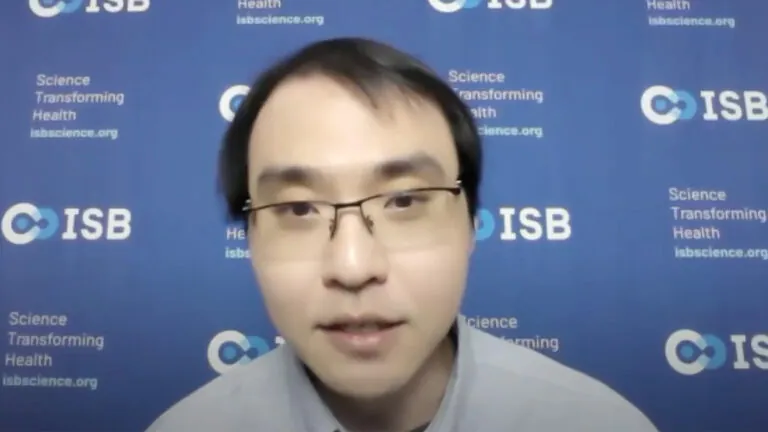
Wei

Posted: November 27, 2024

Cancer Events Wei Lab
ISB-Developed MetaboCore Offers Precision Cancer Care Faster Than Ever

ISB-Developed MetaboCore Offers Precision Cancer Care Faster Than Ever

Dr. Wei Wei has developed a promising new companion diagnostic tool called MetaboCore to help physicians quickly select the most effective systemic therapy for each cancer patient. 

ISB-Developed MetaboCore Offers Precision Cancer Care Faster Than Ever
Drs. Nitin Baliga and James Park

Posted: July 9, 2024

Cancer Press Release Baliga Lab
How Glioblastoma Resists Treatment – and Ways to Prevent It

How Glioblastoma Resists Treatment – and Ways to Prevent It

Glioblastoma is one of the deadliest and most aggressive forms of primary brain cancer in adults and is known for its ability to resist treatment and to recur. ISB researchers have made breakthrough discoveries in understanding the mechanisms behind acquired resistance, focusing on a rare and stubborn group of cells within tumors called glioma stem-like cells.

How Glioblastoma Resists Treatment – and Ways to Prevent It
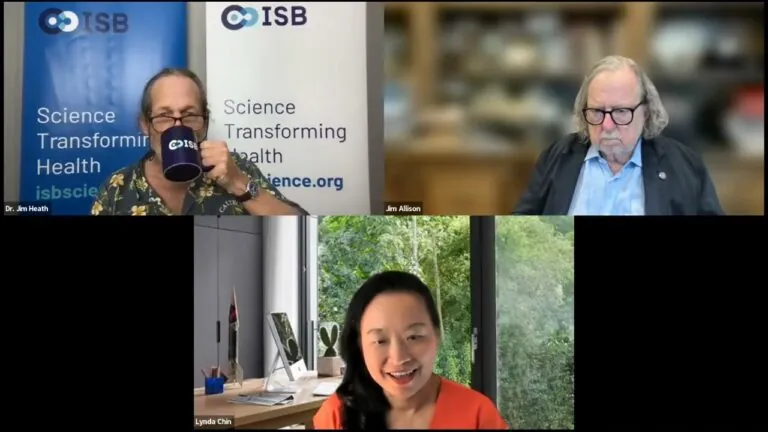
Heath, Allison, Chin

Posted: September 30, 2022

Cancer Heath Lab Optimizing Outcomes
Improving Cancer Care for All: A Conversation with Drs. Jim Heath, Jim Allison and Lynda Chin

Improving Cancer Care for All: A Conversation with Drs. Jim Heath, Jim Allison and Lynda Chin

ISB President Dr. Jim Heath talks with Nobel laureate and Executive Director of the Immunotherapy Platform at MD Anderson Cancer Center Dr. Jim Allison and Apricity Health CEO Dr. Lynda Chin. Drs. Heath, Allison and Chin discuss disparities in cancer care and ways to bring state-of-the-art care from big cities and major academic centers to rural and underserved areas.

Improving Cancer Care for All: A Conversation with Drs. Jim Heath, Jim Allison and Lynda Chin
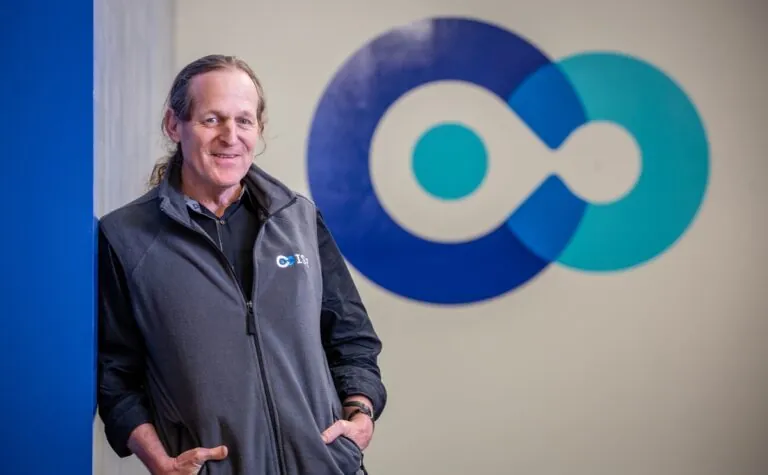
ISB President Dr. Jim Heath

Posted: September 22, 2022

Cancer Press Release Heath Lab
ISB Leading NCI Comprehensive Cancer Center to Study Sequential Targeted Inhibitors and Immunotherapies

ISB Leading NCI Comprehensive Cancer Center to Study Sequential Targeted Inhibitors and Immunotherapies

The NCI awarded ISB a 5-year, $13 million grant to lead a comprehensive cancer center and study sequential combinations of targeted inhibitors and immunotherapies. The program is designed to determine if the treatments yield greater patient benefit when administered in sequence rather than as monotherapies or as simultaneously administered combinations.

ISB Leading NCI Comprehensive Cancer Center to Study Sequential Targeted Inhibitors and Immunotherapies
Wei Lab

Posted: July 16, 2021

Cancer Press Release Wei Lab
Add Fatty Acid to Taste: New Technology Reveals Single Cancer Cells Have Different Appetites for Fatty Acids

Add Fatty Acid to Taste: New Technology Reveals Single Cancer Cells Have Different Appetites for Fatty Acids

A recently developed method by the Wei Lab at Institute for Systems Biology (ISB) and University of California, Riverside provides new insights into cancer biology by allowing researchers to show how fatty acids are absorbed by single cells. This work was published in the Journal of the American Chemical Society.

Add Fatty Acid to Taste: New Technology Reveals Single Cancer Cells Have Different Appetites for Fatty Acids
Glioblastoma tumor slice and corresponding density map

Posted: June 29, 2021

Cancer Press Release Heath Lab
Looking at Tumors Through a New Lens: New Research May Improve Efficacy of Glioblastoma Immunotherapy

Looking at Tumors Through a New Lens: New Research May Improve Efficacy of Glioblastoma Immunotherapy

To improve the efficacy of neoadjuvant immune checkpoint blockade against glioblastoma, researchers are looking for vulnerabilities in surgically removed tissues – a difficulty due to the vast differences within the tumor and between patients. To address this, ISB researchers and their collaborators developed a new way to study tumors.

Looking at Tumors Through a New Lens: New Research May Improve Efficacy of Glioblastoma Immunotherapy
View All News

  • Who We Are
    • Work At ISB
    • People
  • What We Do
    • Research
    • Publications
  • News and Events
    • Media Inquiries
    • News
  • Services
    • Olink Services
    • Proteomics Services
  • Other
    • Sponsored Projects Resources
    • COI
ISB logo (1-color)
Donate Contact Us

Subscribe to Molecular Me, where we share news of our transformational research, devoted scientists and educators, upcoming events, and more.

© 2026 Institute for Systems Biology (ISB). All Rights Reserved
  • Login
  • Intranet
  • Purchase Terms
  • Terms of Service
  • Privacy Policy
Web Design by T-F