Will It Stick? How to Tell Whether Probiotics and Prebiotics Will ‘Take’
New research from ISB’s Gibbons Lab shows that computer models of gut metabolism can predict whether probiotics will successfully establish in an individual’s microbiome and how dietary prebiotics shape health-related molecules in the gut. The findings point toward a future of more personalized, predictable microbiome-based interventions.
Anyone who has tried probiotics or changed their diet to “feed the gut” knows the frustration: sometimes it helps, sometimes it doesn’t — and it’s rarely clear why. The same supplement that benefits one person may do little for another.
A new study offers a glimpse of why that is — and how we might finally begin to predict who will benefit from particular microbiome-based interventions before trying them.
In work published in PLOS Biology, researchers from ISB’s Gibbons Lab used computer models of gut metabolism to forecast whether introduced probiotic bacteria would successfully establish themselves in an individual’s gut microbiome — and how dietary prebiotics might influence the production of health-promoting molecules in the gut.
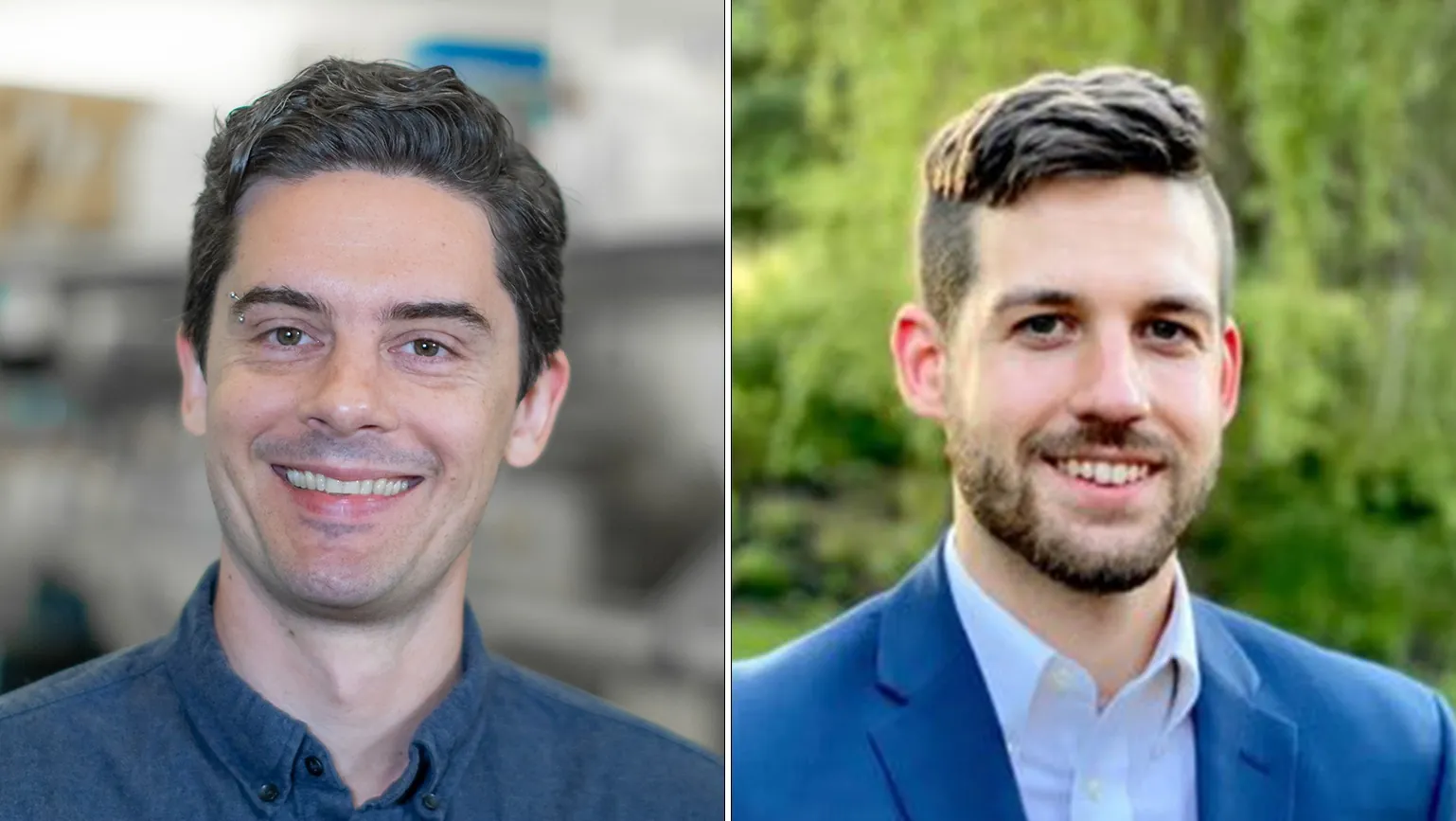
“Our models don’t just look at which microbes are present,” said Dr. Nick Quinn-Bohmann, lead author of the study. “They simulate how microbial communities interact with one another and with what a person eats.”
The team tested their approach across several different groups, including people with type 2 diabetes, healthy volunteers who participated in a phase I safety trial of a probiotic cocktail developed to prevent recurrent Clostridioides difficile infections, and a large cohort of generally healthy participants who increased their dietary fiber intake.
Across these diverse settings, the models were able to predict, with notable accuracy, whether specific probiotic strains would successfully colonize in a given person’s gut and how gut chemistry would shift in response to probiotic and dietary interventions.
One striking finding was that probiotic success wasn’t random. Whether a strain took hold depended heavily on the existing microbial ecosystem inside each person — and in some cases, the growth of a given probiotic was associated with clinical markers, such as lower blood glucose levels.
“In other words, the gut environment itself appears to set the rules for whether new microbes can move in and meaningfully change what’s happening metabolically,” said ISB Associate Professor Dr. Sean Gibbons, senior author of the paper.
Beyond probiotics, the models also captured how changes in fiber intake shaped gut metabolites and cardiometabolic markers in a large population. That suggests this kind of modeling could eventually inform more personalized dietary guidance, moving beyond one-size-fits-all nutrition advice.
Taken together, the work points toward a future in which microbiome-based therapies — probiotics, prebiotics, and diet — are chosen based on an individual’s biological context rather than guesswork.
“By combining longitudinal data, mechanistic modeling, and increasingly rich biosensing tools, we are beginning to sketch out what truly personalized microbiome medicine might look like,” Gibbons said. “Not just trying things and hoping they stick, but knowing, ahead of time, what’s likely to take.”