
Faduma Hussein Joins ISB as Public Health Ambassador Coordinator
Hussein is only the fourth AmeriCorps member to serve at ISB. In this Q&A, she shares insights into her education, what drew her to ISB, career aspirations, and more.
Baliga Lab
Sort
Hussein is only the fourth AmeriCorps member to serve at ISB. In this Q&A, she shares insights into her education, what drew her to ISB, career aspirations, and more.

In the final installment of the 2023-24 academic year roundup, we highlight some of the top projects the ISB Education team is working on. Throughout the summer, the ISB Education team was busy publishing research in a special edition of Connected Science Learning, hosting interns, and much more.
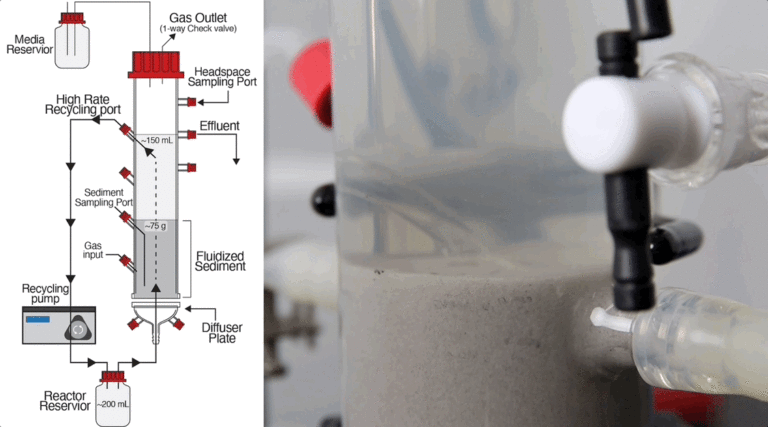
ISB researchers examined representative organisms of two classes of microbes whose interaction contributes to the conversion of more than 1 gigaton of carbon into methane every year. They found that gene mutations selected over a relatively short timeframe in the two microbes led to distinct functions.

Glioblastoma is one of the deadliest and most aggressive forms of primary brain cancer in adults and is known for its ability to resist treatment and to recur. ISB researchers have made breakthrough discoveries in understanding the mechanisms behind acquired resistance, focusing on a rare and stubborn group of cells within tumors called glioma stem-like cells.

A new study unveils important insights and actionable protocols into providing equitable STEM experiences for high school students from historically marginalized communities. The research highlights the transformative power of informal STEM learning and the ease with which many organizations could provide these opportunities.

By using a computer model to understand the adaptions of Mycobacterium tuberculosis (Mtb), the pathogen that causes tuberculosis, researchers at ISB have identified a network within Mtb that allows it to tolerate and resist drug therapies. This work is published in Cell Reports.